AI Portraits
Early experiments in GAN-based portrait generation
What is real and what is fiction?
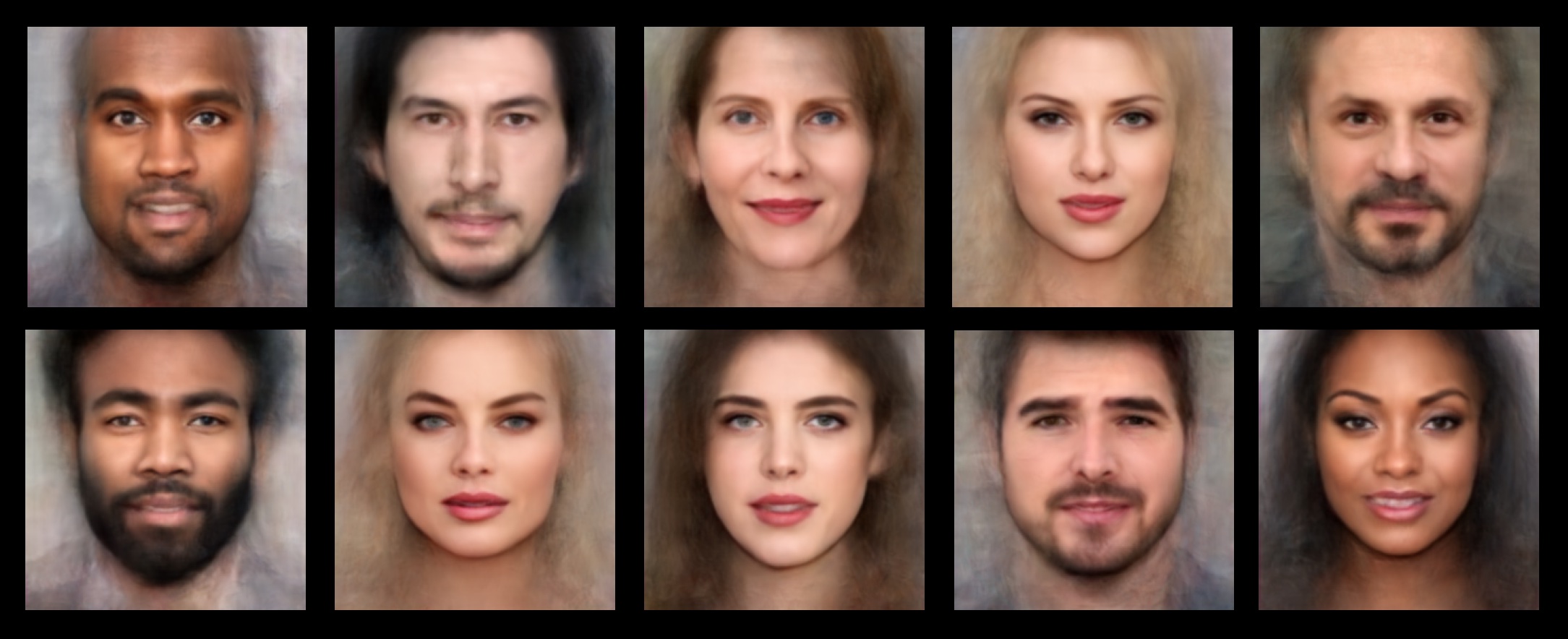
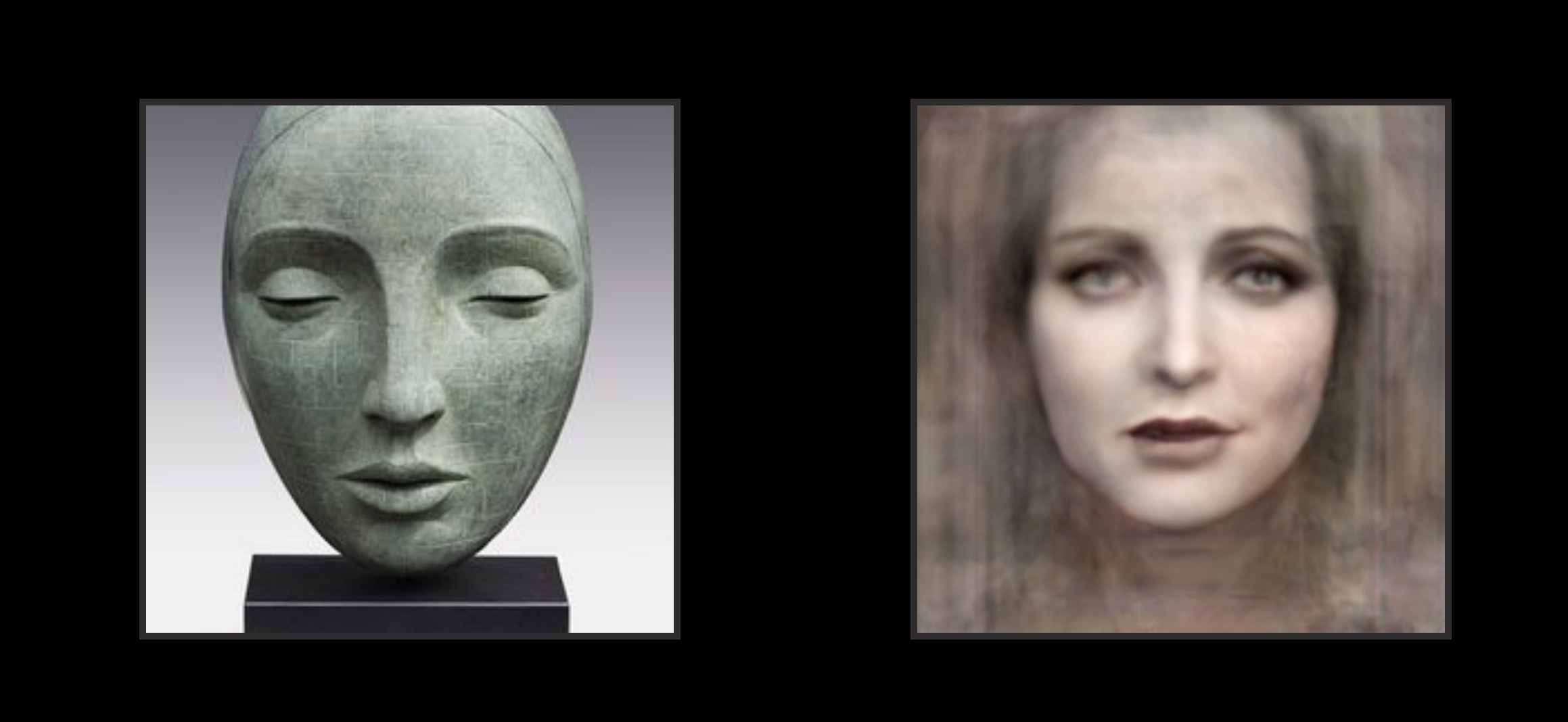
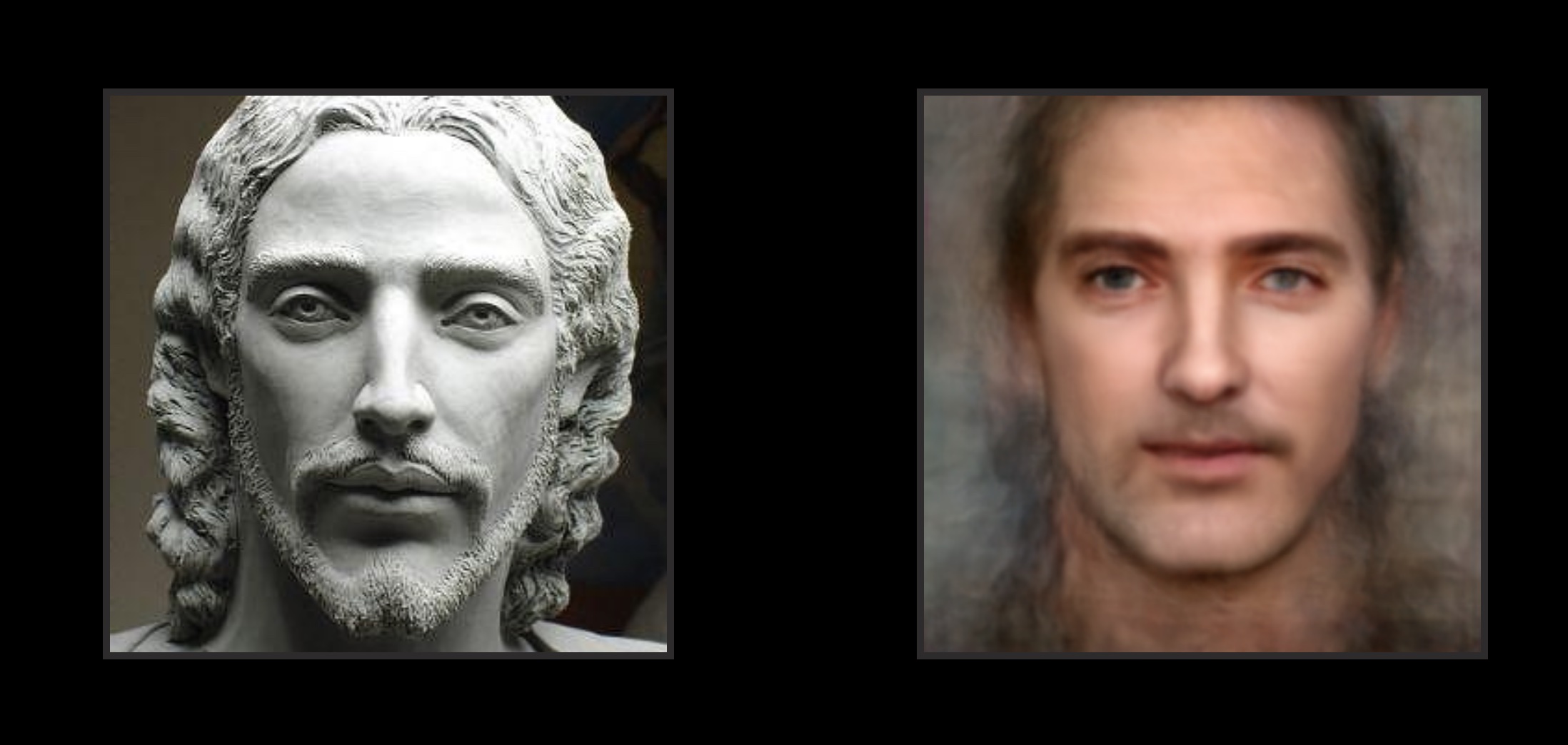
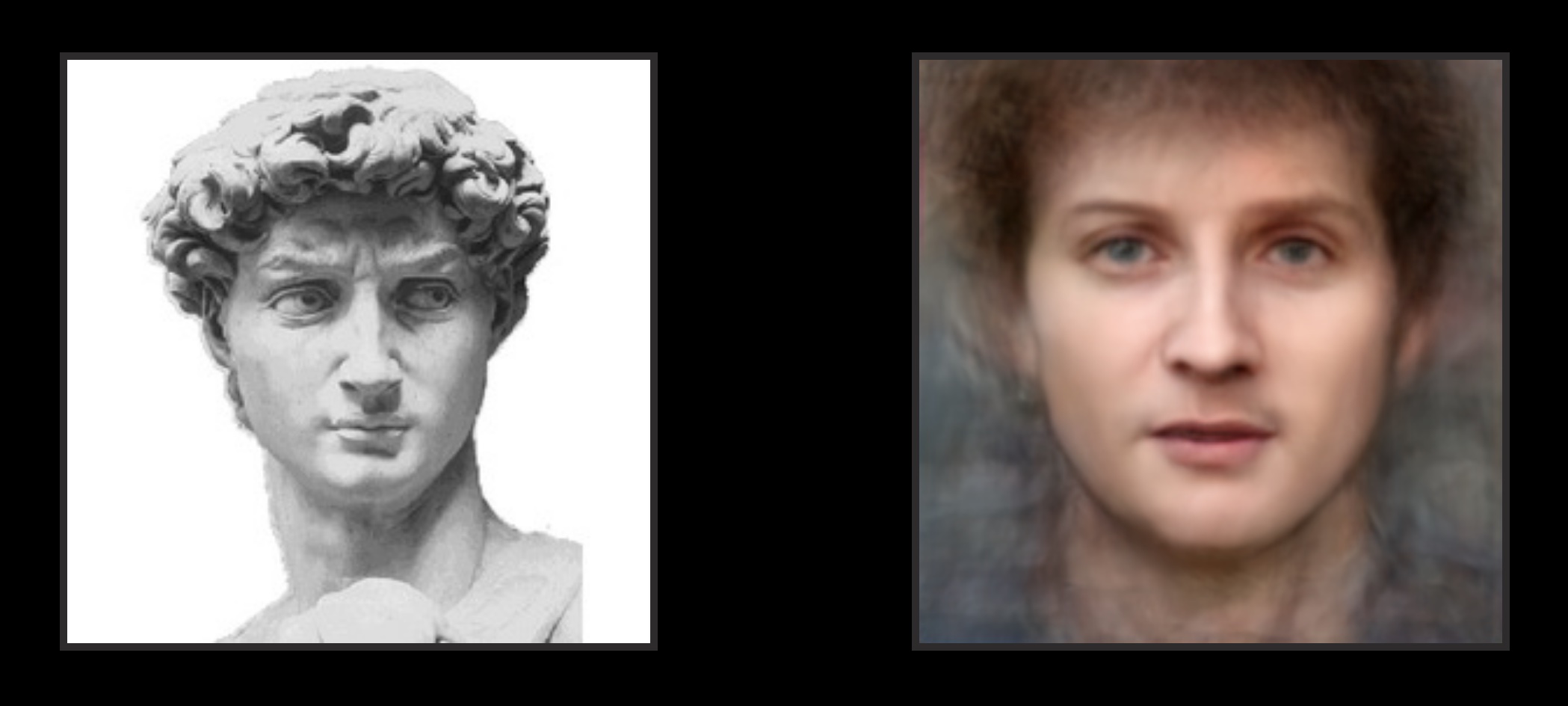
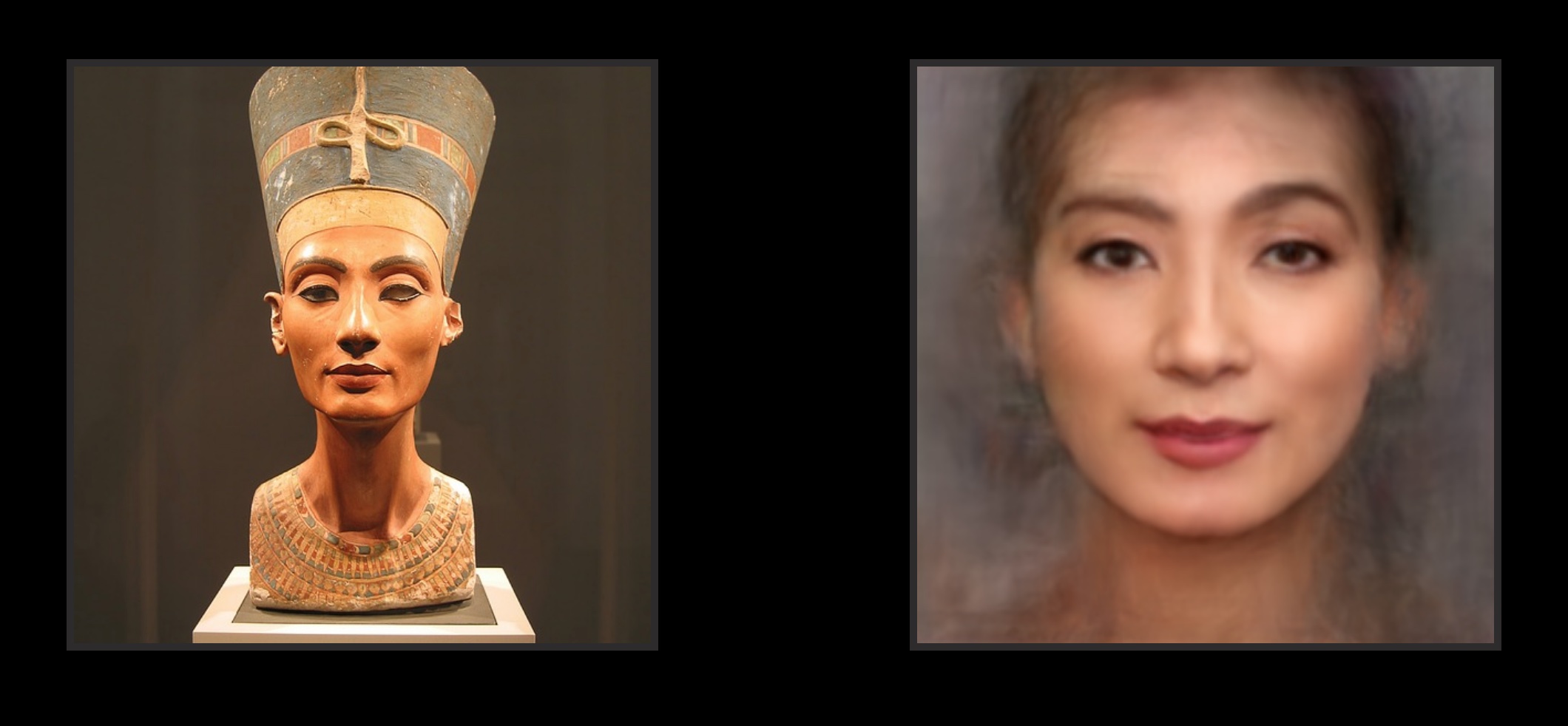
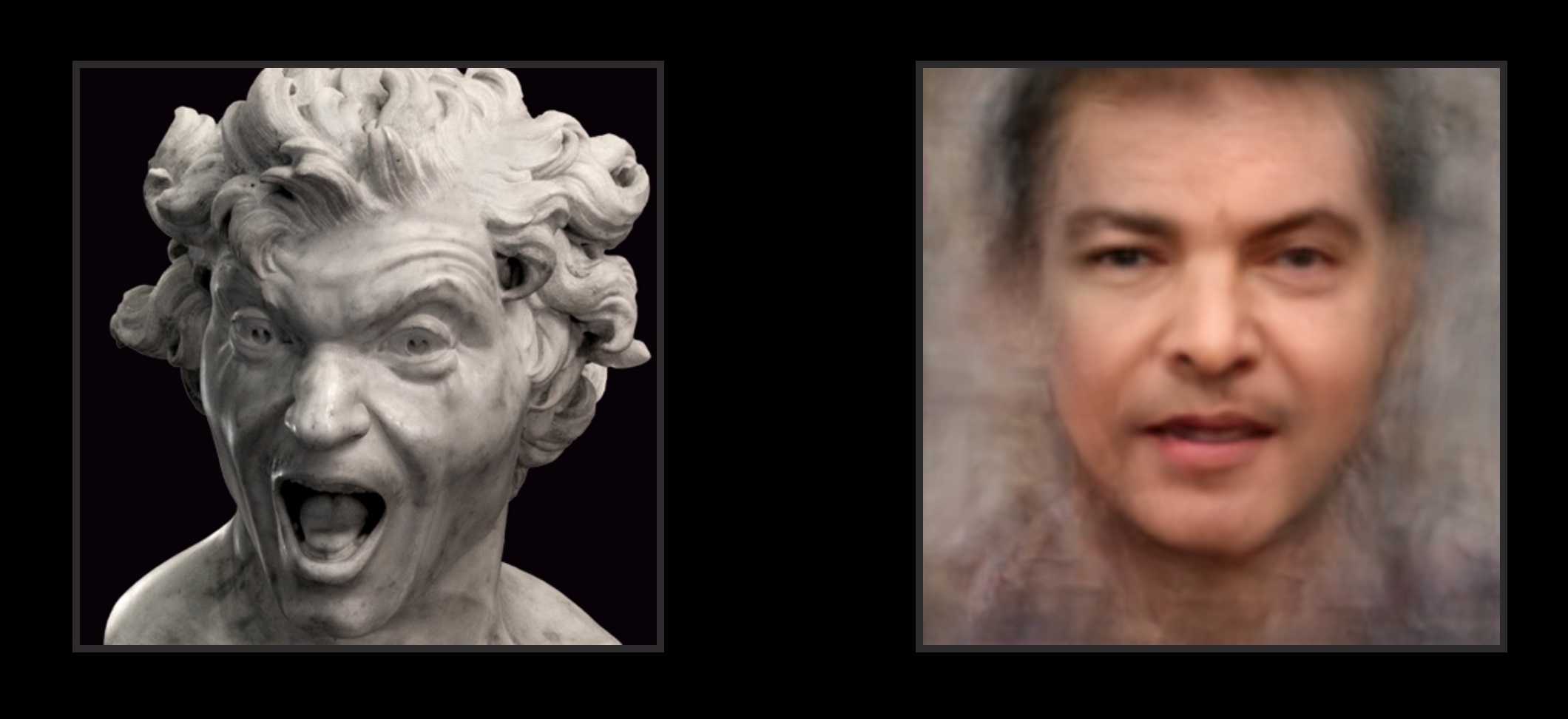
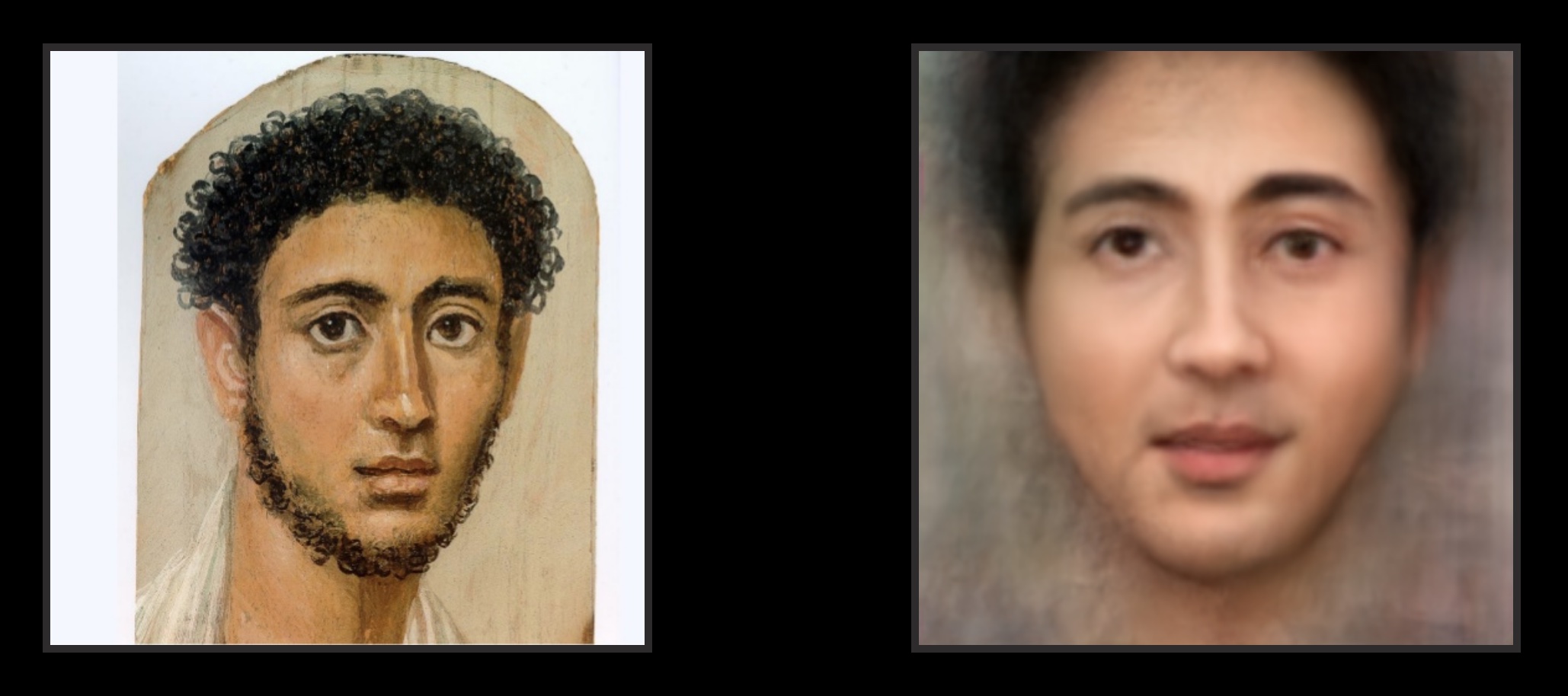
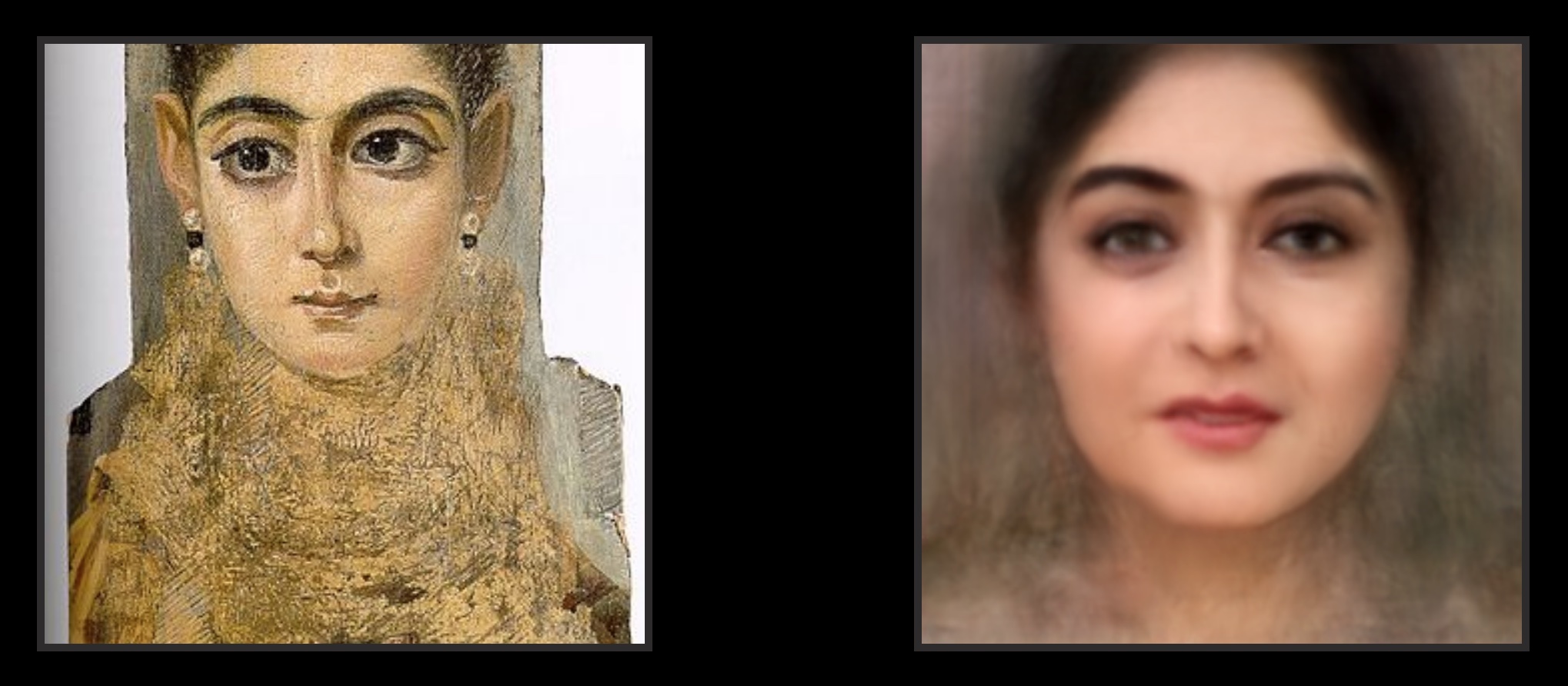
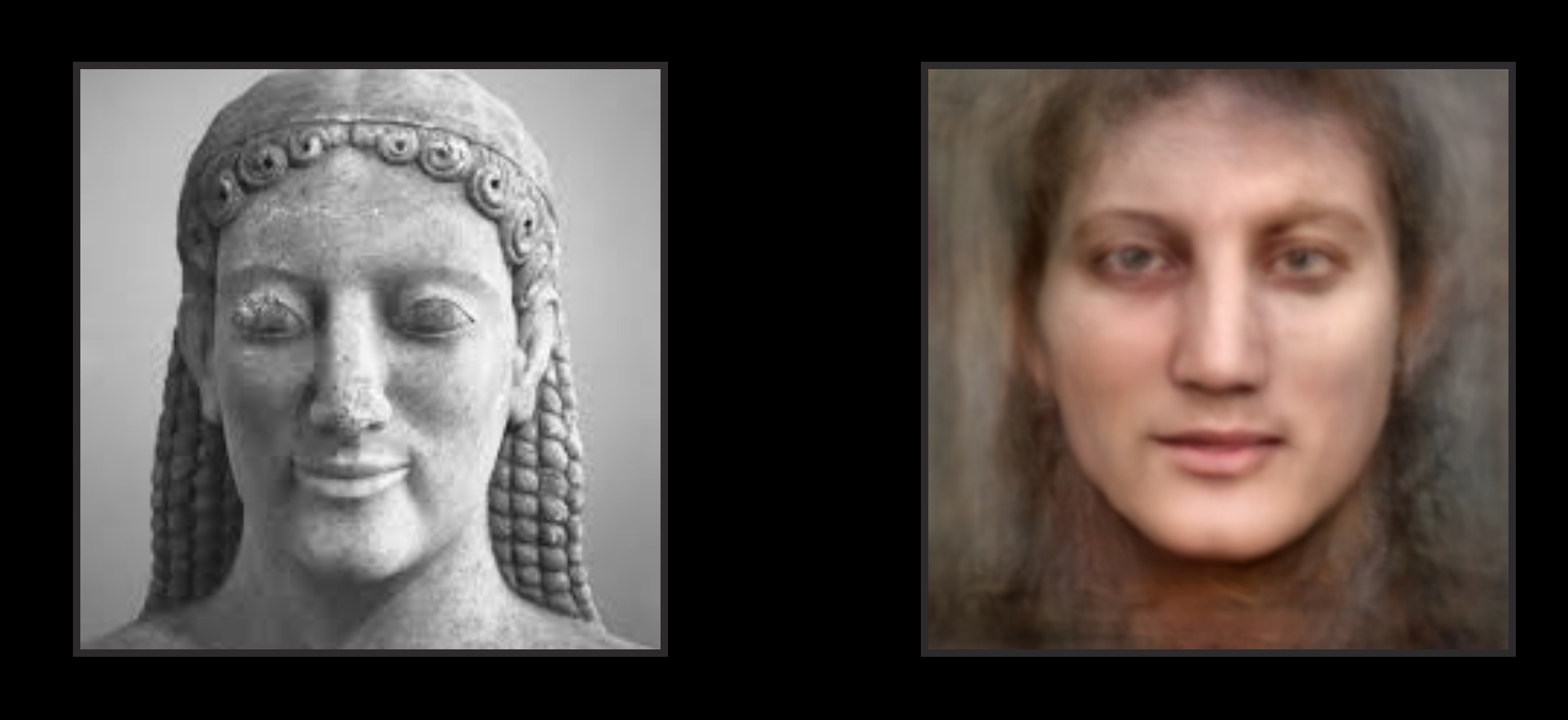
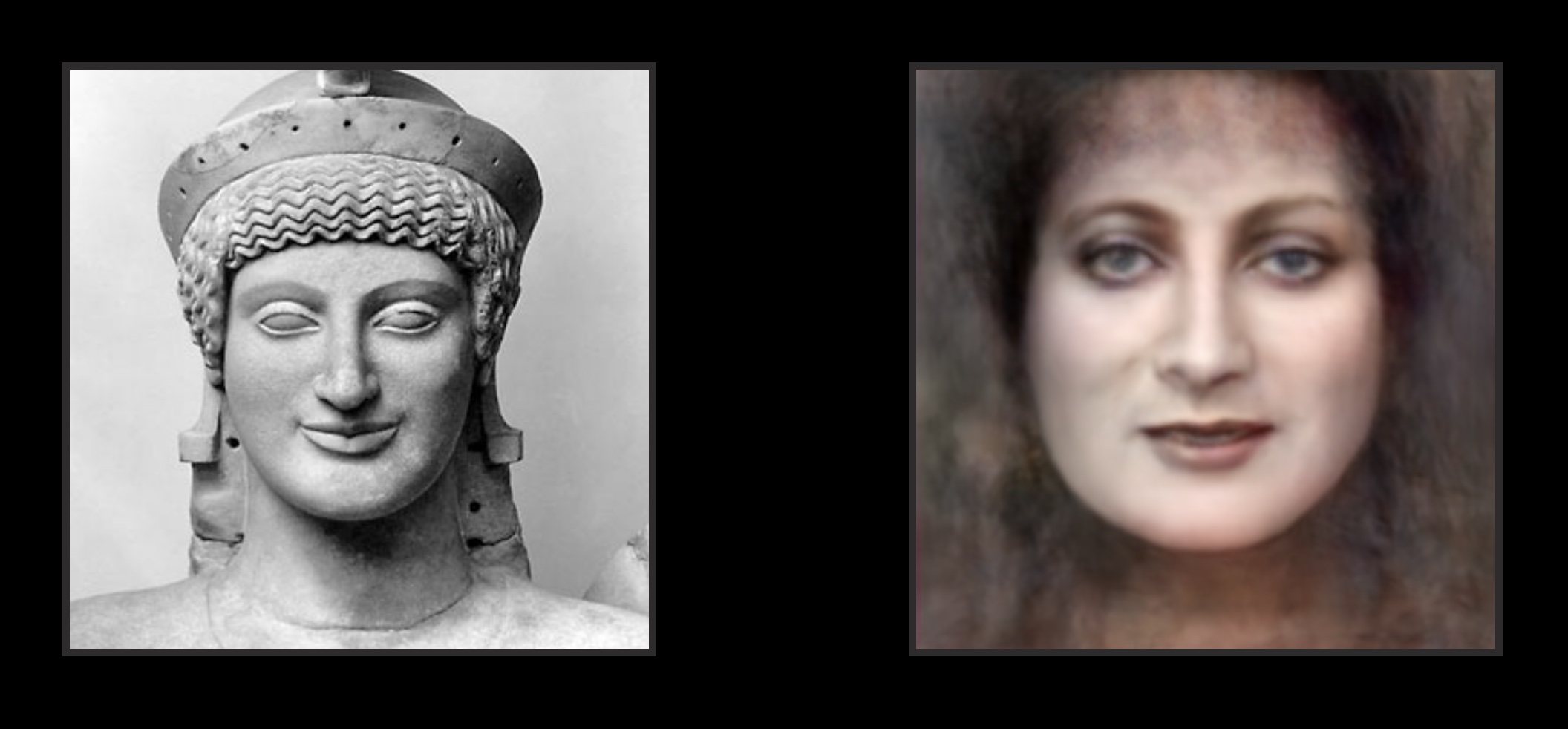
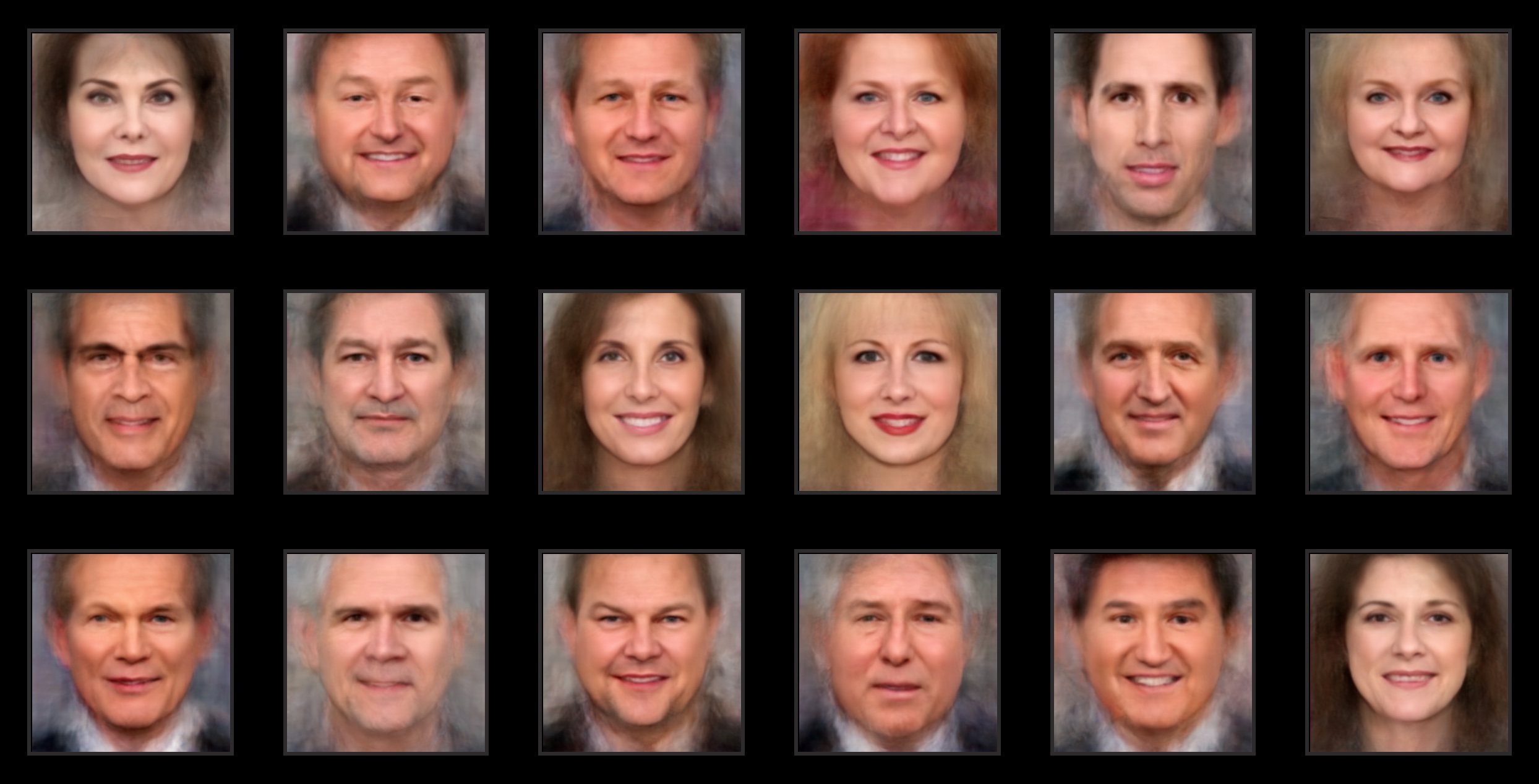
The system is trained on millions of photos of actors and actresses. We use the faces of people in front of the camera to activate portraits through our GAN. The result is an image that questions the concept of identity, blurring the boundary between the individual who recognizes herself or himself and the collection of faces from the "society of spectacle" sedimented in the neural network.
What I see, is it myself?
It is a fictitious re-creation of me. The training data of actors dissolves my image and creates a dialogue between myself and celebrities. What emerges is an ideal self, distinct and detached from my actual self.
The Inspiration
I have always been fascinated by the communicative power of portraits. The human portrait has historical significance. It reflects the evolution of both digital and analog media. Each time our visual and aesthetic codes change, and each time technology advances, the first repercussions appear in the style and technique of portraits. In this sense, the portrait becomes a barometer of the aesthetic taste of an era.
AI Portraits was born almost by chance, as a byproduct of research in facial recognition. We began experimenting with generative models such as pix2pix, and slowly realized we had stumbled into a new project.
The Challenge
Without a doubt, it was the choice of style. We did not want to be too abstract, deforming faces into something unrecognizable, but we also did not want to produce images too similar to the original face.
It took many months to find the right balance. My father often drew portraits of friends who visited us at home, and he is a talented artist. But despite his skill, I often saw dissatisfaction in their expressions. He would become frustrated and insist, "It is not a photograph, I drew you as I see you."
With AI Portraits, we wanted to recreate that same tension. We wanted the expectation of discovering how the artist perceives us, and the subtle disappointment when the portrait does not match how we wish to be seen. The portraits generated by AI re-interpret our faces. The final result must be recognizable enough for friends to identify us, yet unsettling enough to leave us personally uncertain, just as it happened with my father's friends.